Fashion has always been a reflection of culture, personality, and creativity. Among the many facets of the industry, designer wear stands out as a symbol of artistry, innovation, and prestige. Designer clothing is more than just fabric stitched together—it’s a combination of craftsmanship, creativity, and vision that elevates fashion from everyday wear to wearable art.
What Is Designer Wear?
Designer wear refers to clothing created by well-known fashion designers or luxury fashion houses. These pieces are often exclusive, high-quality, and meticulously crafted, featuring unique designs that set them apart from mass-produced clothing. Unlike fast fashion, which focuses on quantity and quick turnover, designer wear emphasizes quality, innovation, and individuality.
Each designer collection reflects the creative vision of its creator. For instance, Coco Chanel revolutionized fashion with elegant simplicity, while Alexander McQueen was celebrated for his bold, avant-garde designs. Owning designer pieces allows individuals to express their personality through the lens of artistry and craftsmanship.
The Craftsmanship Behind Designer Wear
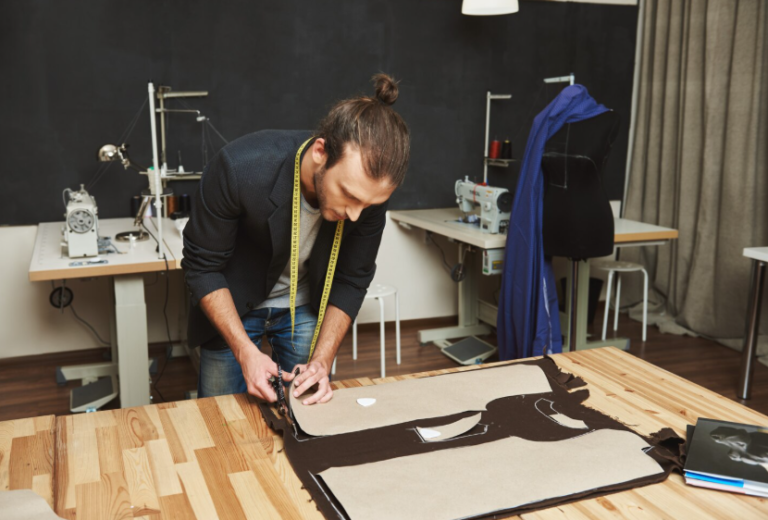
One of the defining features of designer clothing is exceptional craftsmanship. Every detail—from stitching and fabric selection to embellishments and tailoring—is carefully considered. High-end designers often use premium fabrics, such as silk, cashmere, fine wool, and handcrafted lace, which not only look luxurious but also feel superior to the touch.
Handmade elements, like embroidery or beadwork, further distinguish designer wear. Unlike mass-produced garments, which prioritize speed and cost-efficiency, designer clothing often involves hours of meticulous labor. This attention to detail ensures that every piece is unique, durable, and timeless.
Exclusivity and Status
Designer wear carries a sense of exclusivity. Many luxury brands produce limited editions of their collections, making each piece rare and coveted. Wearing designer clothing is not just about fashion—it’s a statement of style, taste, and status. Celebrities, influencers, and fashion enthusiasts often gravitate toward designer wear because it communicates prestige and sophistication without words.
However, designer fashion isn’t solely about brand names. It’s also about originality, creativity, and innovation. Some pieces become iconic because of their design, not just the label. For example, the little black dress by Chanel or the structured jackets by Balmain are celebrated for their timeless style and impact on fashion history.
The Role of Fashion Shows
Fashion shows are an essential part of designer wear culture. Designers showcase their collections on the runway, highlighting trends, creativity, and seasonal themes. These shows serve as inspiration for both high-end consumers and mainstream fashion, influencing trends worldwide. From dramatic couture presentations to minimalist ready-to-wear collections, fashion shows reveal the thought, artistry, and innovation behind designer clothing.
Designer Wear and Personal Style
While designer clothing can be a symbol of status, it’s also a powerful tool for self-expression. Designer wear allows individuals to showcase their personality, creativity, and aesthetic preferences. Some people mix high-end pieces with casual or budget-friendly items to create unique, eclectic looks. Others may focus entirely on luxury ensembles, embracing elegance and sophistication from head to toe.
Investing in designer pieces can also be practical. High-quality fabrics and craftsmanship mean that these clothes last longer, maintaining their shape, color, and quality over time. In this way, designer wear can be seen as a long-term investment in both fashion and personal style.
The Influence of Designer Wear on Trends
Designer wear often sets the tone for fashion trends. Luxury brands experiment with shapes, colors, fabrics, and techniques, influencing what eventually trickles down to mainstream fashion. For instance, a bold pattern or silhouette introduced on a runway may appear in streetwear, fast fashion, or even DIY fashion months later. By understanding designer wear, fashion enthusiasts can anticipate trends and refine their own style.
Final Thoughts
Designer wear is more than just clothing—it’s a celebration of creativity, craftsmanship, and self-expression. It blends artistry with practicality, offering individuals the chance to showcase personal style while appreciating the skill and innovation behind each piece.
Owning or appreciating designer wear isn’t just about luxury—it’s about valuing fashion as an art form. Every garment tells a story, reflects a vision, and carries the spirit of its creator. Whether you’re drawn to couture elegance, avant-garde designs, or timeless classics, designer wear remains a fascinating world where fashion becomes a statement of identity, passion, and artistry.